are standalone 3d scanners better than pc-based ones?
3D scanning technology has evolved significantly in recent years, giving users a wide range of options when selecting a scanner. One of the biggest decisions you’ll face is whether to choose a standalone 3D scanner or a PC-based 3D scanner. Both have their own strengths, and the right choice depends on your specific needs. In this article, we’ll explore the differences between the two types, compare their advantages, and help you determine which one best fits your workflow.
What Are Standalone and PC-Based 3D Scanners?
Before diving into their pros and cons, let’s clarify what these two types of 3D scanners are.
Standalone 3D Scanners
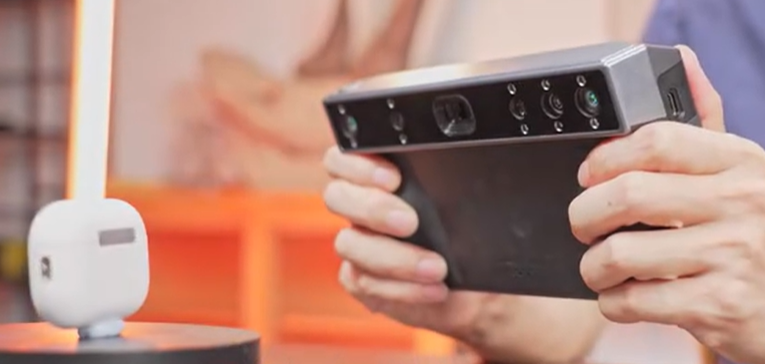
Standalone 3D scanners are all-in-one devices that operate independently, without requiring an external computer. They feature built-in processors, memory, and often touchscreen displays, allowing users to capture, process, and store 3D scans on the device itself. These scanners are particularly useful for mobile scanning, fieldwork, and applications where a PC setup is inconvenient.
PC-Based 3D Scanners
PC-based 3D scanners require a computer to function. They connect to a PC via USB, Wi-Fi, or Ethernet, and rely on the computer’s processing power to generate 3D models. These scanners are often favored in professional settings where users need access to powerful software tools for advanced editing, post-processing, and high-precision scans.
Key Advantages of Standalone 3D Scanners
 Choose a PC-Based 3D Scanner If:
✅ You require high-resolution, complex 3D scans with detailed textures.
✅ You need advanced editing software and post-processing capabilities.
✅ You have a powerful PC and want to utilize its processing power.
✅ You work in engineering, product design, or industrial applications that demand precision.
Standalone and PC-based 3D scanners both offer unique advantages, and the choice depends on your specific needs. Standalone scanners provide unmatched portability and ease of use, making them perfect for mobile scanning applications. Meanwhile, PC-based scanners offer superior processing power and advanced software support, making them ideal for professional and industrial use.
If you’re unsure which one is right for you, consider your budget, workspace, and required level of detail. No matter which option you choose, investing in a quality 3D scanner can significantly enhance your design, manufacturing, and creative workflows.
Choose a PC-Based 3D Scanner If:
✅ You require high-resolution, complex 3D scans with detailed textures.
✅ You need advanced editing software and post-processing capabilities.
✅ You have a powerful PC and want to utilize its processing power.
✅ You work in engineering, product design, or industrial applications that demand precision.
Standalone and PC-based 3D scanners both offer unique advantages, and the choice depends on your specific needs. Standalone scanners provide unmatched portability and ease of use, making them perfect for mobile scanning applications. Meanwhile, PC-based scanners offer superior processing power and advanced software support, making them ideal for professional and industrial use.
If you’re unsure which one is right for you, consider your budget, workspace, and required level of detail. No matter which option you choose, investing in a quality 3D scanner can significantly enhance your design, manufacturing, and creative workflows.
- Portability and Ease of Use
- Quick and Efficient Scanning Process
- No Dependency on External Hardware
- Battery-Powered for Greater Mobility
- Higher Processing Power for Complex Scans
- Advanced Software Features
- Scalability and Upgradability
- Better for Large or High-Detail Scanning
Choose a PC-Based 3D Scanner If:
✅ You require high-resolution, complex 3D scans with detailed textures.
✅ You need advanced editing software and post-processing capabilities.
✅ You have a powerful PC and want to utilize its processing power.
✅ You work in engineering, product design, or industrial applications that demand precision.
Standalone and PC-based 3D scanners both offer unique advantages, and the choice depends on your specific needs. Standalone scanners provide unmatched portability and ease of use, making them perfect for mobile scanning applications. Meanwhile, PC-based scanners offer superior processing power and advanced software support, making them ideal for professional and industrial use.
If you’re unsure which one is right for you, consider your budget, workspace, and required level of detail. No matter which option you choose, investing in a quality 3D scanner can significantly enhance your design, manufacturing, and creative workflows.